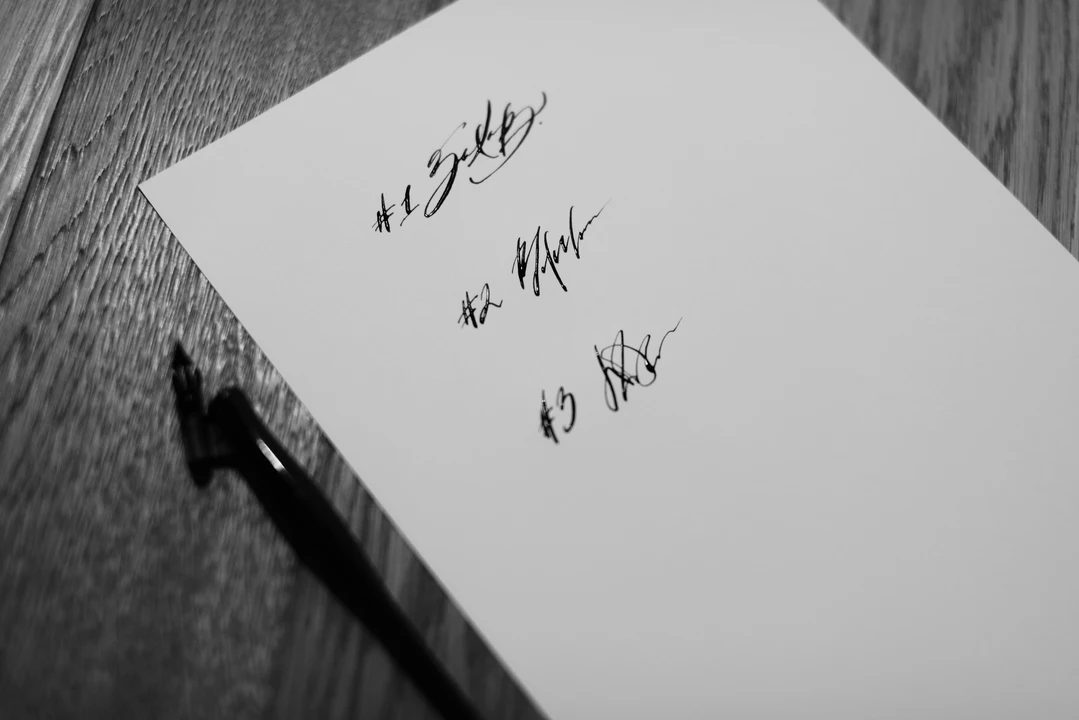
The Forger
A nauseating and paralyzing fear gripped Neel as he read the remarks in his class diary. Under the column Description, the teacher had written: Neel has forgotten his textbook again. The adjacent column bore the title: “Signature from Guardian/Parent.” His past experience with a similar mistake had led to a humiliating ordeal. Swallowing his fear, he forged his dad’s signature in the diary.
It wasn’t even missed homework or poor marks. But in a school system that reveled in subjecting students to fear, this was par for the course.
His “sin” was discovered by his dad soon after. Convulsing in rage, Neel’s giant, overweight father grabbed him by the arms and dragged him to the bedroom. After shutting the door, he opened the wardrobe and pulled out a belt—the one with a heavy metallic buckle, meant to be worn with his jeans. His father had a few of those belts.
Looping the leather in his hand, leaving the metallic portion hanging from the other end, he belted Neel. There was no respite. He lashed Neel until the belt broke. He opened the wardrobe and took another. Again, he belted Neel until it snapped. Then he took a third belt. By then, Neel was cowering in a corner, numb from the pain, his humanity and dignity stripped away. Nothing remained.
Here was a giant of a man, unleashing all the fury of his failures—his broken marriage, his alcoholism—on the body of a 12-year-old boy.
Decades later, Neel realized his father had relished the release, the visceral pleasure of inflicting pain on someone who couldn’t fight back.
After the beating, Neel was dragged out of the room, blood dripping from a wound in his right arm—a scar Neel still looks at today, 34 years later.
In the living room, his dad ordered Neel’s sister to serve him food. As Neel tried to put pieces of chapati into his mouth, they kept falling from his trembling lips. His father barked at him to keep the food inside. Through tears and humiliation, Neel managed to eat something. Then he quietly washed his plate.
When his mother, who worked in a clinic outside the city and visited on weekends, learned of the incident, she saw an opportunity to add to Neel’s suffering. With a sadistic edge, she said to him, “By forging your dad’s signature, you’ve committed the equivalent of murdering him.”
That sentence stayed with Neel, haunting him for years. As time passed, he watched his mother immerse herself in victimhood, joining a secretive religious cult where every member saw themselves as a victim, just like her. Neel realized that, for some, choosing victimhood is a way to avoid accountability—people like his mother, who, with her decent-paying job, could have started a new life with her children. But some prefer to play the victim—it’s an easier path, one that comes with the added comfort of attention from society.
A few months later, Neel forgot his textbook again. The conscientious teacher, ever worried about her students’ integrity, wrote the same remark.
That night, Neel sat at his desk and nonchalantly forged his dad’s signature again. He was surprised by his lack of fear. Now, it was simply the instinct for survival under oppressive circumstances.
His teacher never noticed.